
HSC Study Guide
Best HSC Study Practices
Proven Strategies for NSW Year 11 and 12 Students

Not all study is created equal. Learn the evidence-based techniques that actually move HSC marks, from spaced repetition and active recall to past paper practice and deep work strategies.
The difference between students who excel in the HSC and those who struggle often comes down to one thing: study method, not intelligence. With the right strategies and consistent effort, you can dramatically improve your understanding, retention, and exam performance. This guide covers the study practices that research shows work best, and how to implement them in your Year 11 and 12 journey.
The Golden Rule of HSC Study
How you study matters more than how long you study. Six hours of passive re-reading will always lose to two hours of active practice. Every technique below is about making your study time work harder, not longer.

Active Learning Over Passive Reading
One of the biggest study mistakes is re-reading textbooks and notes. Your brain doesn't retain information through passive exposure. Active learning forces your brain to work, which builds stronger memory and deeper understanding.
Effective active learning techniques:
Practice problems & past papers. Solve questions under timed conditions to build exam skills and identify gaps.
Teach someone else. Explaining concepts aloud forces you to organize ideas clearly and reveals gaps.
Create your own notes. Handwriting summaries is more active than highlighting and helps encode memory.
Self-testing. Quiz yourself with flashcards, practice tests, or mind maps to reveal what you know.
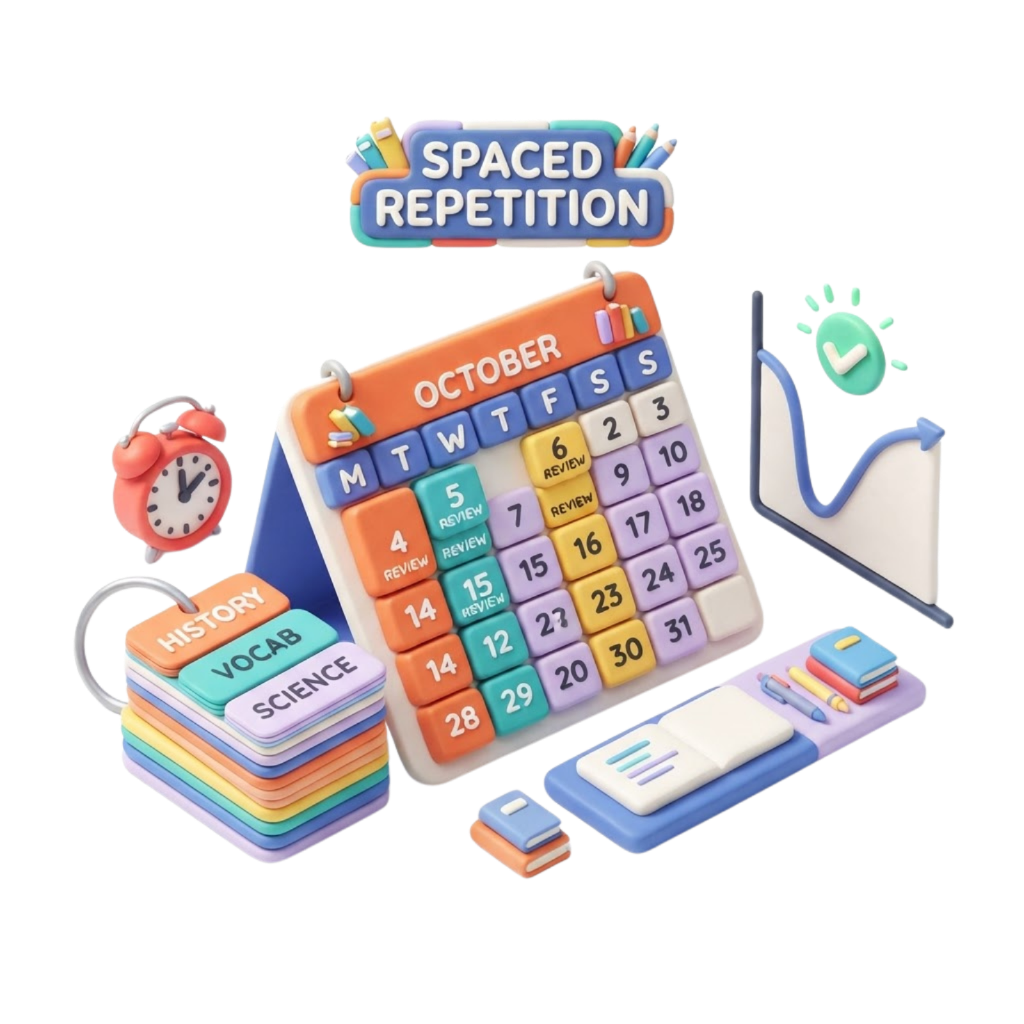
Master Spaced Repetition
Your brain forgets information quickly if you don't revisit it. Spaced repetition is a scientifically proven technique where you review material at increasing intervals. This pattern strengthens long-term memory far more effectively than cramming.
Learn
Review
Review
Review
Final pass
Learn
Review
Review
Review
Final pass
Apps like Anki automate spaced repetition, making it easy to track which cards to review when.
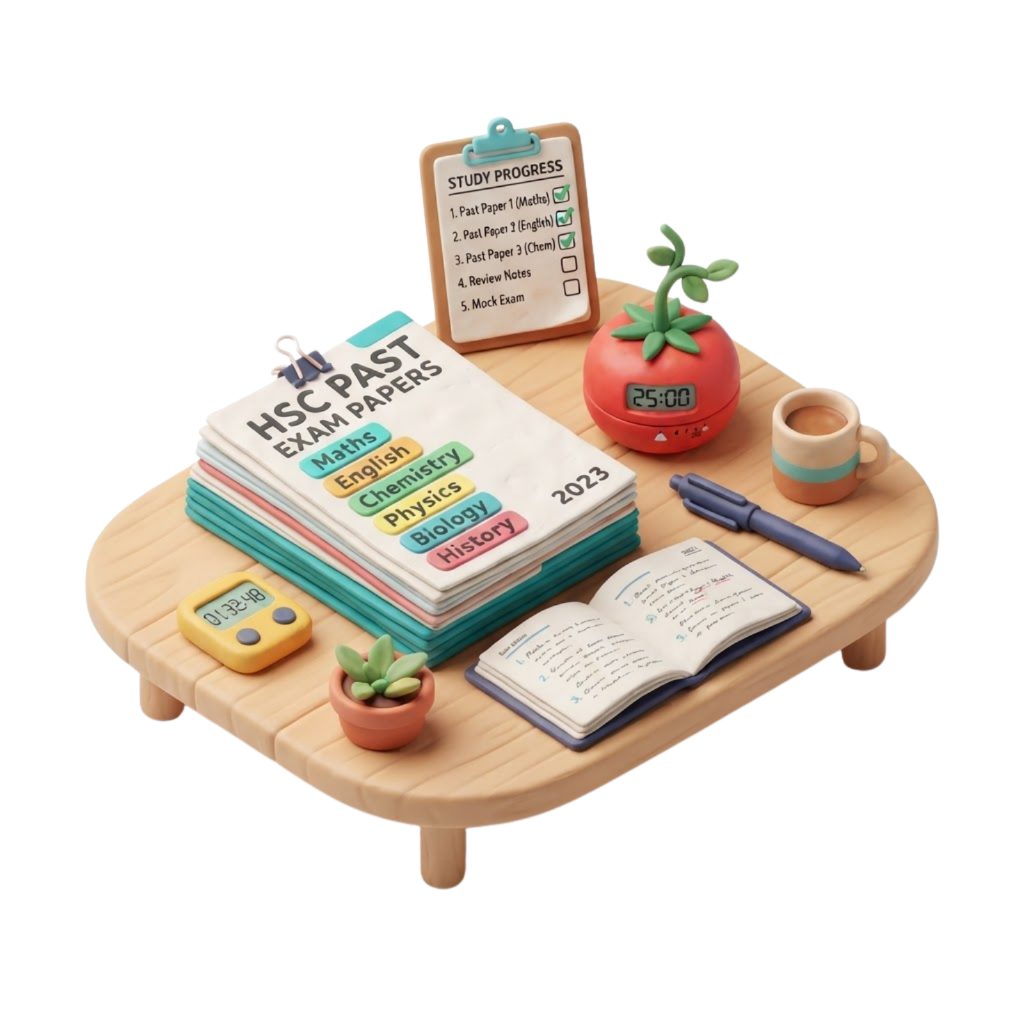
Practice Past Papers Under Timed Conditions
Past papers are your best friend for HSC preparation. They show the exact format of exam questions, the types of answers examiners expect, and which topics are tested regularly. Practicing under timed conditions trains your brain to work under pressure and reveals where you're slow or confused.
Best practice approach:

Study in Deep Work Blocks
Distracted studying is inefficient. Your brain needs 20-30 minutes to reach deep focus. Once there, multi-tasking (checking your phone, scrolling) breaks concentration and wastes time rebuilding focus.
25
min focus
5
min break
4
cycles
30
min break
25
min focus
5
min break
4
cycles
30
min break
Use the Pomodoro Technique. Study for 25 minutes, take a 5 minute break, repeat. After 4 cycles, take a longer 15-30 minute break.
Remove distractions. Phone on silent or in another room. Close unnecessary browser tabs. Tell others not to interrupt.
Study your hardest subjects during peak alertness. For most students, this is mid-morning or early afternoon.
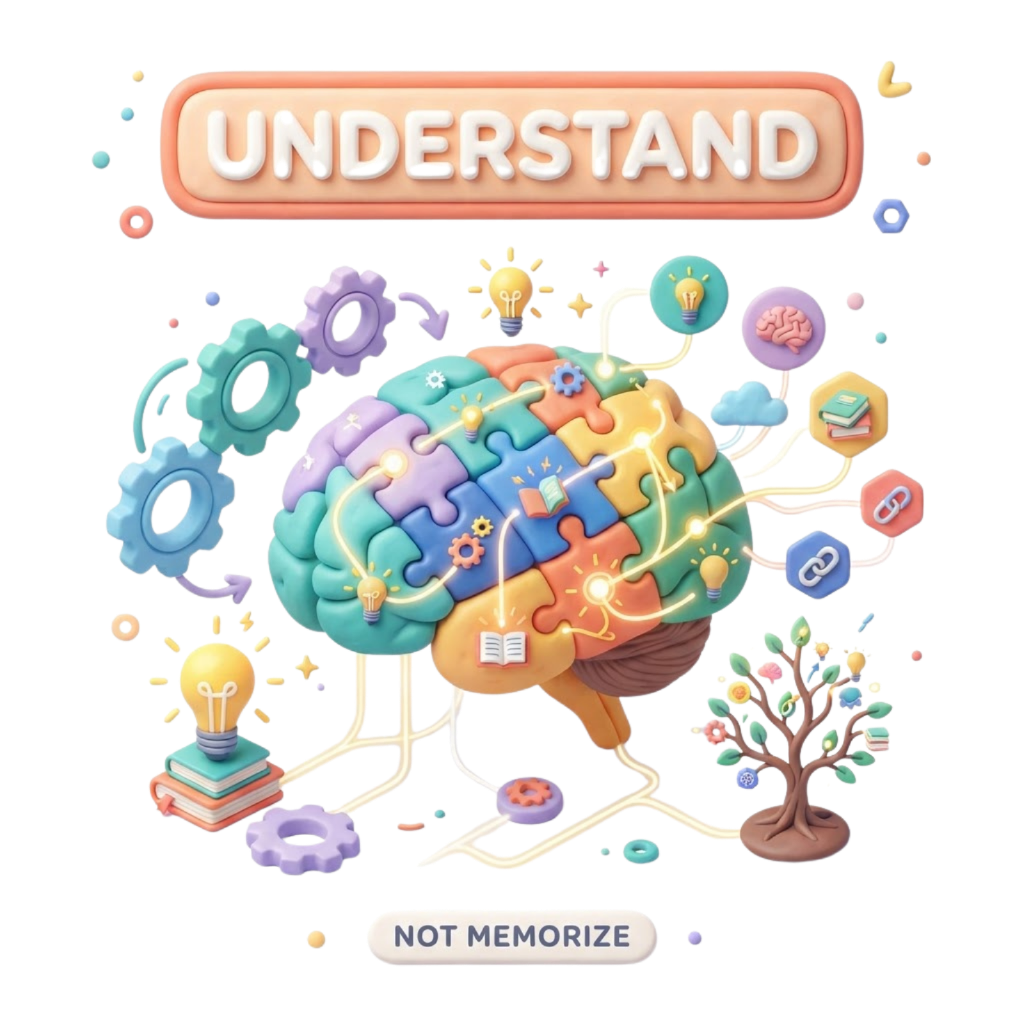
Prioritize Understanding Over Memorization
Memorizing facts without understanding why they matter is fragile. When an exam question asks you to apply knowledge in a new context, memorization fails. Deep understanding creates flexible knowledge you can use in any situation.
Ask "Why"
Why does this work? How does it connect to what I learned earlier?
Build concept maps
Show connections between ideas visually.
Teach it
Explain concepts to someone who hasn't studied the subject.
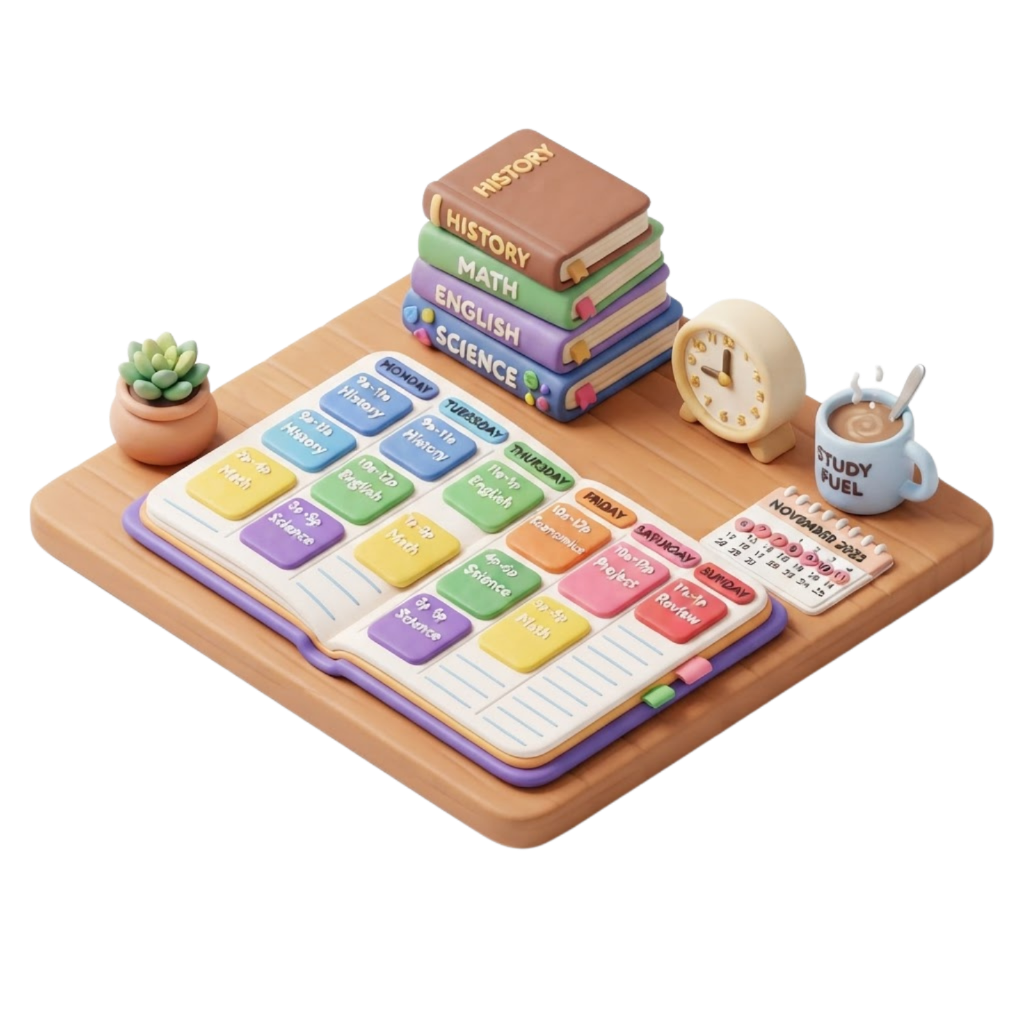
Develop a Consistent Study Routine
Consistency beats intensity. Studying 2-3 hours every day is more effective than 12 hours on Sunday followed by no study for 6 days. Your brain consolidates learning during sleep, so studying, sleeping, then reviewing the next day builds stronger memory.
1.5-3 hrs
Focused study after school
2-4 hrs
One 3-hr block or two 1.5-hr blocks
4-5 hrs
Split into morning & afternoon
Common Study Mistakes to Avoid
Fatigue destroys concentration and retention. Get adequate sleep during the school year and especially during the HSC exam period.
Highlighting feels productive but encourages passive reading. If you highlight, use it as a first step before creating active summaries.
Your brain needs sleep to consolidate learning. A good night's sleep before an exam beats late-night cramming.
Your ATAR is determined by your best 10 units. Weak subjects matter because they determine which of your other units are selected. Target weak areas early.
Need extra support with your HSC?
Great study habits plus expert guidance creates results. If you are struggling with particular subjects or want personalized study strategies tailored to your learning style, consider working with a tutor. We offer specialist HSC Maths tutoring and HSC English tutoring across the Northern Beaches.
Get in touch with us →The Bottom Line
Your HSC success comes down to how you study, not how much you study. Apply active learning, use spaced repetition, practice past papers, and build a consistent routine. These proven strategies work across all subjects and ability levels.
Start implementing them now, and you will notice improvement in both your understanding and your exam results.
Sources & Disclaimer
The information on this page is based on publicly available documentation from NESA (NSW Education Standards Authority) and UAC (Universities Admissions Centre) regarding HSC scaling and ATAR calculation. For official information, visit nesa.nsw.edu.au and uac.edu.au .
This content is provided for educational purposes only and should not be relied upon for ATAR predictions or subject selection decisions. Scaling is recalculated annually by NESA and exact adjustments vary each year. For personalised advice, consult your school careers advisor or a qualified education professional.
Related Quizzes & Free Tools



Related Guides & Resources

HSC Maths Roadmap
20-month plan from Year 11 to Band 6

HSC English Roadmap
Reading, writing & listening mastery

How Your ATAR is Calculated
Scaling and ranking explained

Can One Bad Exam Ruin Your ATAR?
Recovery strategies for setbacks

HSC Study Tips Guide
When to start, past papers & exam technique
Common Maths Struggles
Year-by-year gap identification

How to Find a Good Tutor
A parent's guide to vetting tutors

HSC Subject Scaling Guide
How every subject scales explained
Get free HSC study tips in your inbox
No spam. Just proven study habits and exam strategies, occasionally.
HSC Tutoring on the Northern Beaches
Headstart Tuition provides one-on-one in-home HSC tutoring across the Northern Beaches. Our tutors help students strengthen subject knowledge, refine exam technique, and work towards their target ATAR with confidence.
Find a tutor in your suburb
Specialist subject tutoring