
HSC ATAR Guide
How is Your ATAR Calculated?
A Simple Guide for NSW HSC Students

If you are in Year 11 or 12 in New South Wales, the ATAR is probably on your mind a lot. It is the number that determines which university courses you can get into, yet most students (and many parents) do not fully understand how it actually works. This guide explains the ATAR in plain English, so you can make informed decisions about your subjects and study strategy.

What Is the ATAR?
ATAR stands for Australian Tertiary Admission Rank. It is a rank, not a score, that compares your overall academic achievement against every other student in your age group across NSW.
An ATAR of 80.00 does not mean you got 80%. It means you are ranked in the top 20% of your age group. Similarly, an ATAR of 99.00 puts you in the top 1%. Universities use this rank to select students for undergraduate courses because it provides a fair, standardised way to compare applicants from different schools, subjects, and backgrounds.
Calculated by: The Universities Admissions Centre (UAC) on behalf of NSW universities, based entirely on your HSC results in Board Developed courses.
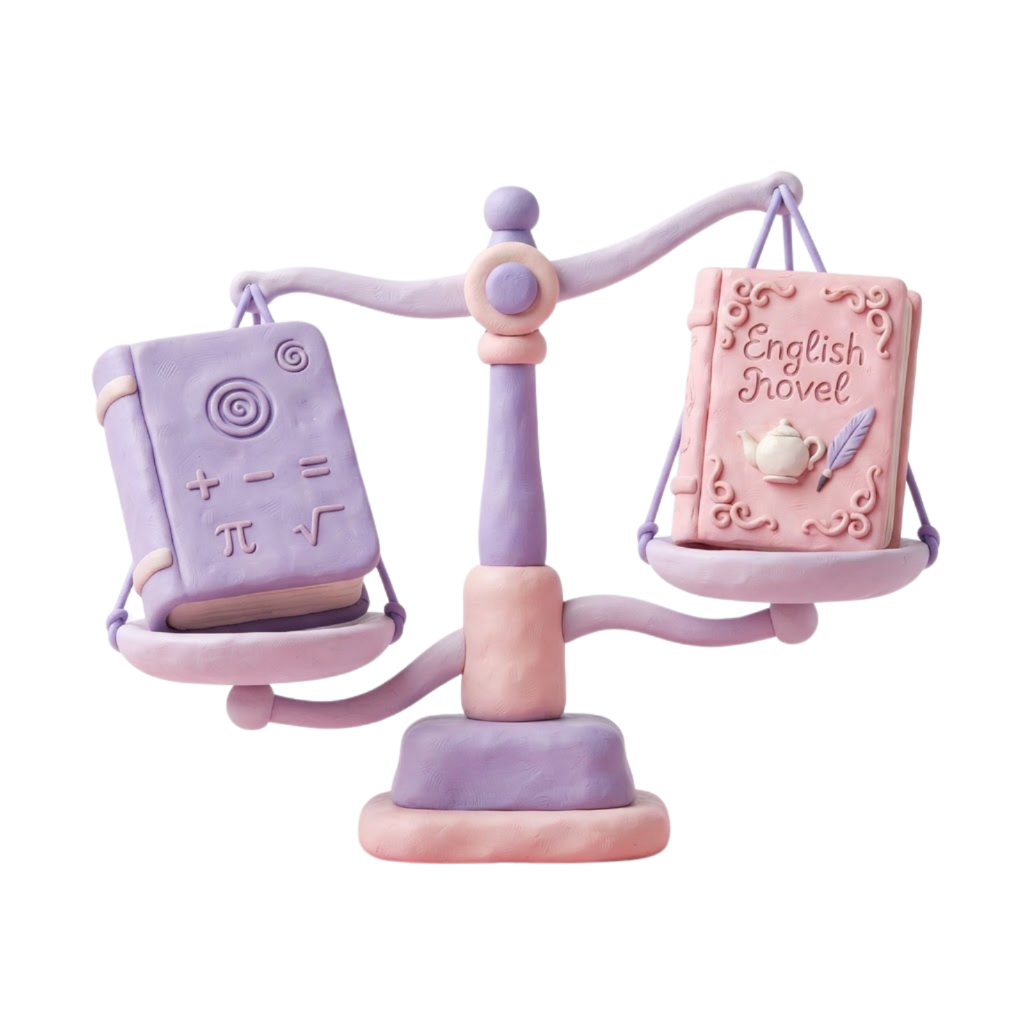
Why Does Scaling Exist?
Students choose different HSC subjects, and those subjects are not equally difficult. A student who scores 90 in Mathematics Extension 2 has demonstrated a different level of achievement than a student who scores 90 in a subject with a different cohort and assessment structure.
Scaling is UAC's way of making it fair to compare marks across different subjects. Without scaling, students could game the system by choosing easier subjects. Scaling adjusts marks so that a student who performs at the same level in any subject receives a similar scaled mark, regardless of which subject they chose.
The Key Principle
Scaling adjusts for the strength of the cohort, not the difficulty of the subject in isolation. If a subject attracts very high-achieving students, it will tend to scale up. If it attracts a broader range, it may scale down slightly.
Subject Scaling Explained Simply
Every HSC subject has a scaling factor that UAC applies to your raw mark. This factor is based on the historical performance of students in that subject compared to their performance across all their other subjects.
Some VET courses and subjects where the cohort average is lower. But remember — scaling is never a reason to avoid or choose a subject.
The Golden Rule of Subject Selection
A high mark in a lower-scaling subject will generally beat a low mark in a high-scaling subject. Choose subjects you enjoy and can perform well in — that is the single best strategy for maximising your ATAR.
Raw Marks vs Scaled Marks
This is one of the most commonly confused aspects of the ATAR. Let us clarify the difference:
Raw Mark
Scaled Mark
Raw marks are the marks you receive from your school assessments and your final HSC exams. NESA moderates your school assessment marks against the exam performance of your cohort, then combines your exam and assessment marks to produce a final HSC mark out of 100 for each subject.
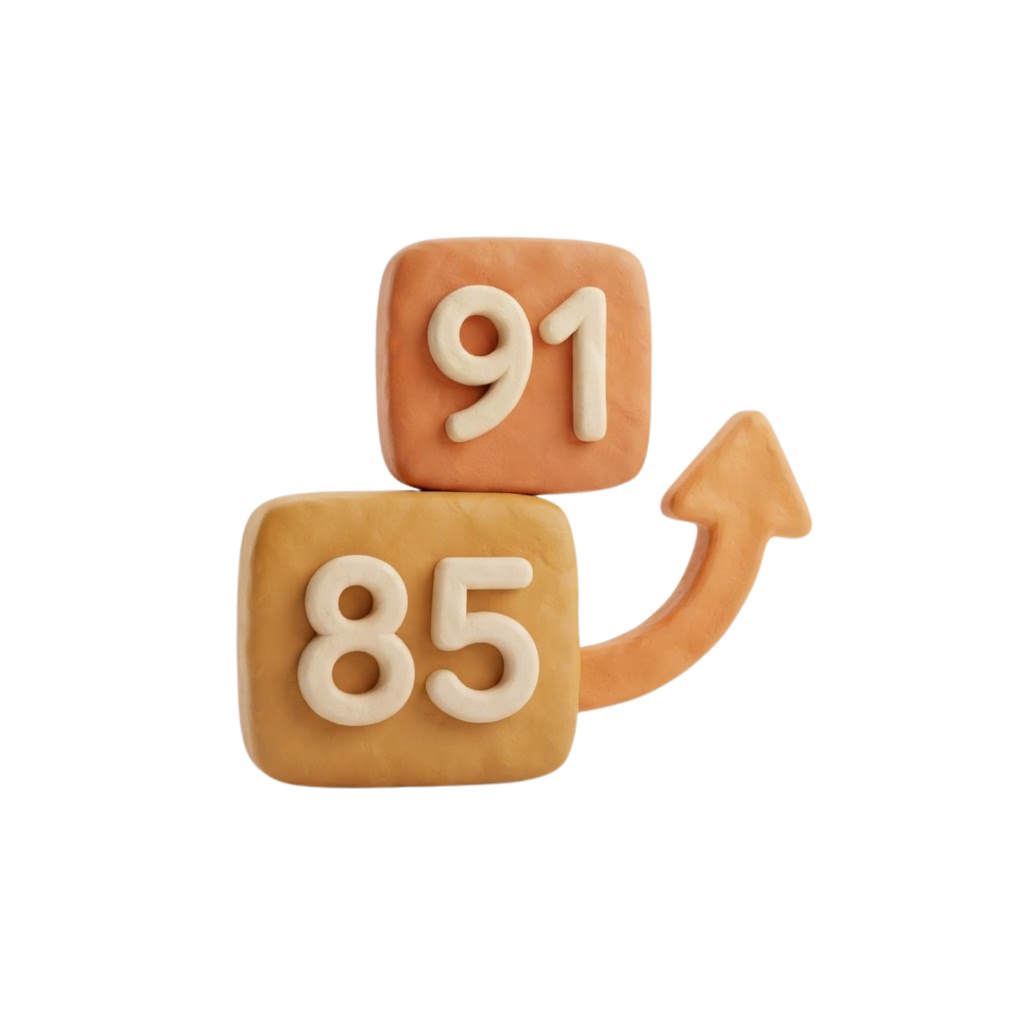
Scaled marks are what UAC produces after applying the scaling factor to your raw HSC marks. These scaled marks are what actually count towards your ATAR. The same raw mark of 85 in a different subject might become a scaled mark of 80.
Important: You will never see your scaled marks officially. UAC does not publish them. But understanding that they exist helps you appreciate why two students with the same raw marks in different subjects can end up with different ATARs.
How Your Best 10 Units Are Selected
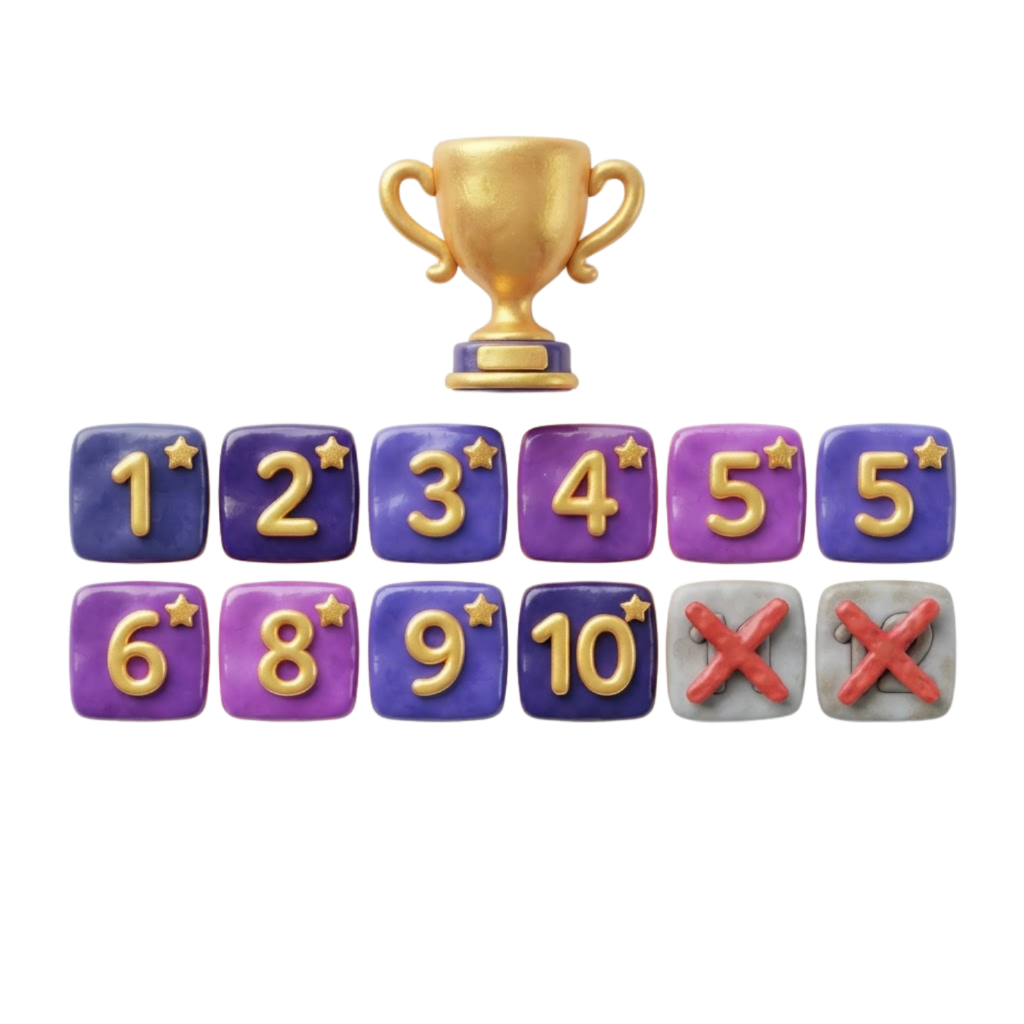
To be eligible for an ATAR, you need at least 10 units of Board Developed courses, including at least 2 units of English. But here is the part many students miss: UAC does not simply add up all your marks.
Instead, UAC takes your best 10 units, and English is always included if it is among your best. If you study 11 or 12 units, your weakest units are excluded from the calculation. This is why many students take more than 10 units: it gives them a buffer, so a poor result in one subject will not drag down their ATAR.
The process works like this:
Common Misconceptions About the ATAR
If you pick a high-scaling subject but struggle and get a low mark, scaling will not save you. A student who gets 95 in Visual Arts will generally beat a student who gets 65 in Physics. Performance generally outweighs scaling.
Your school's reputation does not directly affect your ATAR. NESA moderates your school assessment marks against your cohort's exam performance. The ATAR is based on your individual performance, not your school's brand.
If you take more than 10 units, your weakest subject can be excluded. Even with exactly 10 units, one low mark is diluted across the aggregate. For more, read about whether one bad HSC exam can ruin your ATAR.
The ATAR is a rank, not a score. It tells you what percentage of the age group you outperformed. That is why the maximum is 99.95 and not 100.

Why Predicting Your ATAR Is Not Exact
Many students use ATAR calculators to estimate their result, and these tools can be genuinely helpful for setting goals and understanding how scaling works. But it is important to understand their limitations.
UAC's actual scaling algorithms are complex and year-specific. They depend on the performance of the entire cohort in that particular year, which means scaling factors change annually. No calculator can replicate the exact process UAC uses, because that data is not publicly available.
What a good ATAR calculator can do:
If you want to see how your projected marks might translate to an ATAR, you can try our free HSC ATAR Calculator. It uses approximate scaling factors based on historical UAC data and selects your best 10 units automatically.
Confused about subject scaling? Let's talk.
ATAR strategy is one of the biggest decisions in your HSC journey. If you need personalised advice on subject selection, scaling, or how to maximize your mark in your weaker subjects, our tutors can help.
Send us an enquiry →Need support achieving your target ATAR?
Many students strengthen their HSC results significantly through targeted one-on-one tutoring. If you are aiming high, consider finding a tutor in your weakest subject.
Explore HSC Tutoring →
Practical Tips for Maximising Your ATAR
Understanding the mechanics is only half the battle. Here are some practical strategies that genuinely make a difference:
Maximise your English mark. English is compulsory and counts towards every ATAR. Even moving from Band 4 to Band 5 can meaningfully lift your overall result. Consider HSC English tutoring.
Take more than 10 units if you can manage it. This gives you buffer subjects and reduces the pressure on any single exam.
Focus on consistency, not cramming. Internal assessments make up 50% of your HSC mark in most subjects, so steady effort throughout the year matters enormously.
Identify your weakest subject early. Targeted improvement in your weakest area often yields the biggest ATAR gains. Consider HSC Maths tutoring.
Do past papers under timed conditions. Exam technique is a skill, and practicing under real conditions is one of the most effective ways to improve.

The Bottom Line
The ATAR is a fair and well-designed system, but it is also complex. Understanding how scaling works, how your best 10 units are selected, and the difference between raw and scaled marks puts you in a stronger position to make smart decisions about your HSC.
The ATAR rewards consistent performance across your strongest subjects. Choose subjects you can excel in, work steadily throughout the year, and seek help early if you are struggling.
The number is important, but the habits you build to achieve it will serve you well beyond the HSC.
Learn more about how the ATAR works


Sources & Disclaimer
The information on this page is based on publicly available documentation from NESA (NSW Education Standards Authority) and UAC (Universities Admissions Centre) regarding HSC scaling and ATAR calculation. For official information, visit nesa.nsw.edu.au and uac.edu.au .
This content is provided for educational purposes only and should not be relied upon for ATAR predictions or subject selection decisions. Scaling is recalculated annually by NESA and exact adjustments vary each year. For personalised advice, consult your school careers advisor or a qualified education professional.
Related Quizzes & Free Tools


Related Guides & Resources

HSC Maths Roadmap
20-month plan from Year 11 to Band 6

HSC English Roadmap
Reading, writing & listening mastery

Best HSC Study Practices
Proven habits that move marks

Can One Bad Exam Ruin Your ATAR?
Recovery strategies for setbacks

HSC Study Tips Guide
When to start, past papers & exam technique
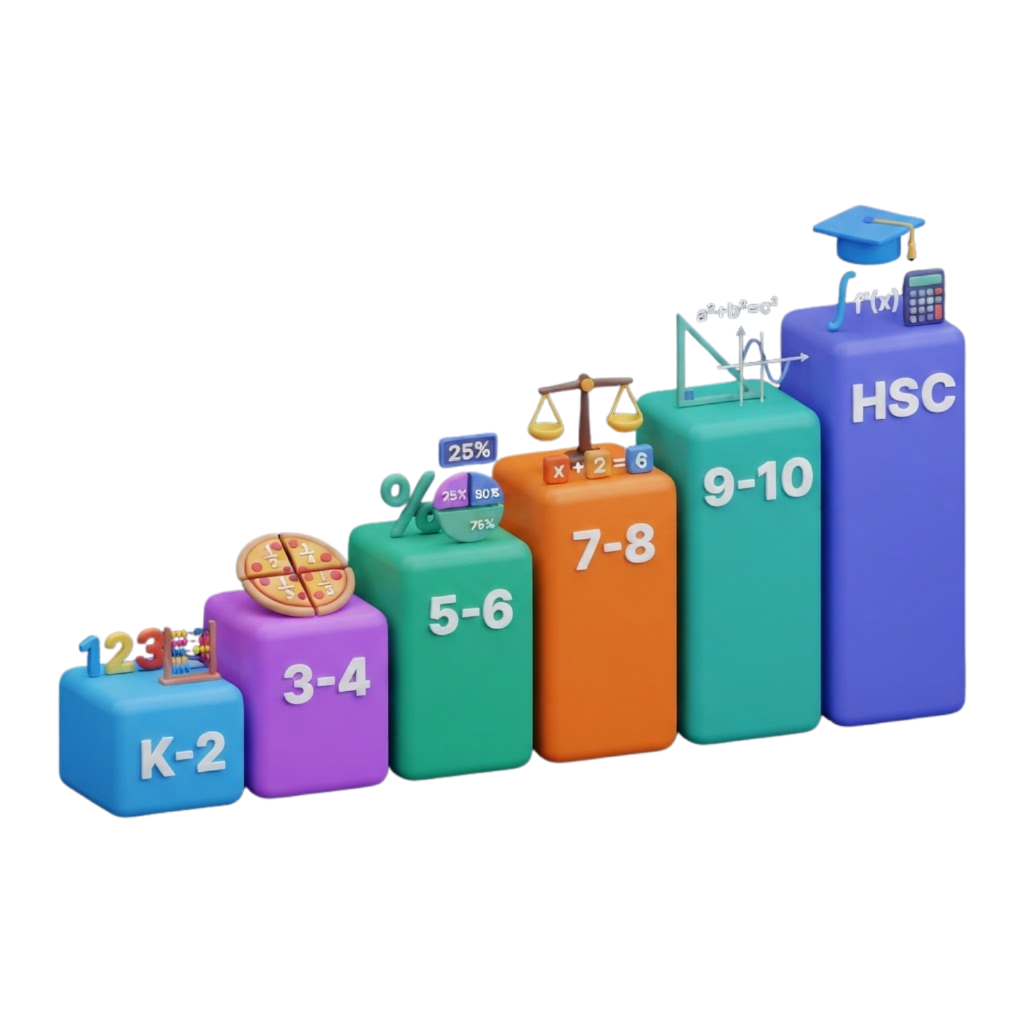
Common Maths Struggles
Year-by-year gap identification

How to Find a Good Tutor
A parent's guide to vetting tutors

HSC Subject Scaling Guide
How every subject scales explained
Get free ATAR tips in your inbox
No spam. Just ATAR strategy and HSC advice, occasionally.
HSC Tutoring on the Northern Beaches
Looking for one-on-one support to push your ATAR higher? Headstart Tuition provides in-home HSC tutoring across the Northern Beaches.
Find a tutor in your suburb
Specialist subject tutoring