
HSC Advice
Can One Bad HSC Exam Ruin Your ATAR?
Why One Exam Doesn't Define Your Final Rank

It is a feeling many HSC students know all too well. You walk out of an exam, and something went wrong. Maybe you ran out of time, maybe you misread a question, maybe the paper was harder than you expected. The panic sets in: is my ATAR ruined?
The short answer, in the vast majority of cases, is no. One bad exam is unlikely to determine your final ATAR. Let us look at exactly why, and what you can do to recover.
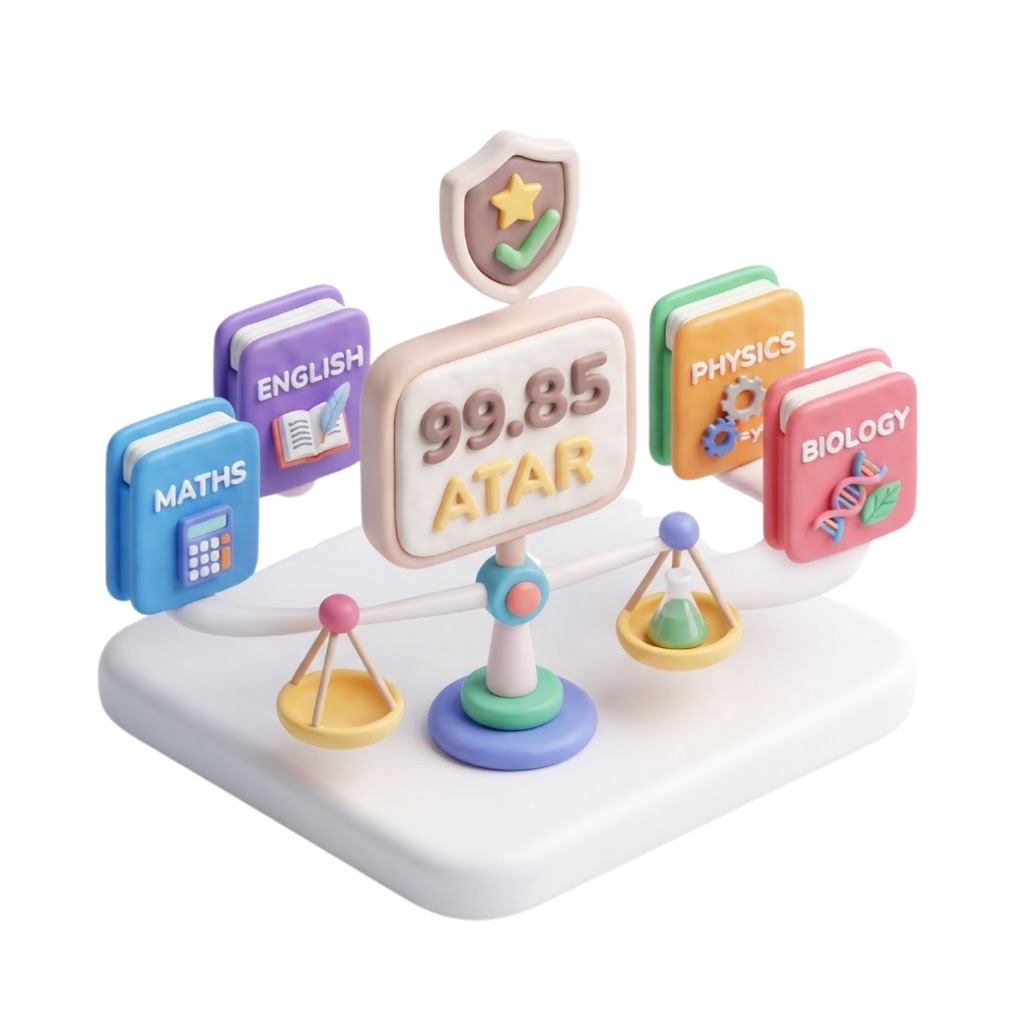
How the ATAR Spreads Risk Across Subjects
The most important thing to understand is that the ATAR is not based on a single exam or a single subject. UAC calculates your ATAR from your best 10 units of Board Developed courses, including at least 2 units of English.
This means your ATAR is a composite. It draws on multiple subjects and multiple assessments. A poor result in one exam is one data point among many.
If you take 5 or 6 subjects, one weak subject is only a fraction of your overall aggregate.
If you study more than 10 units, your weakest units are excluded. A bad result might not even count.
Each subject has an internal mark (50%) and exam mark (50%), so a bad exam is balanced by school performance.
For a full breakdown of how the calculation works, read our guide on how your ATAR is calculated.

The Importance of Internal Assessments
Many students underestimate how much their internal assessments matter. In most HSC subjects, your school assessment contributes 50% of your final HSC mark. This is not a soft contribution. NESA moderates your school marks against your cohort's exam performance to ensure fairness across schools, but your rank and relative performance within your school are preserved.
School Assessment
Final Exam
The key insight: If you have worked consistently throughout the year and built a strong assessment rank, a single bad exam will not erase that. Your exam mark will pull your final mark down somewhat, but your assessment mark acts as a stabiliser.
A Realistic Example
Imagine a student taking 12 units. They have a bad Chemistry exam and score 10 marks below their usual standard. If Chemistry is their weakest subject after scaling, it may be excluded entirely. Even if it counts, those lost 10 marks are spread across a 500-point aggregate, meaning the impact on the final ATAR is far smaller than it feels in the moment.

How Scaling Can Work in Your Favour
Scaling is another reason not to panic. If you perform below your expectations in a high-scaling subject, the scaling factor may partially offset the impact. A raw mark of 75 in Physics, for example, might still scale to a reasonably strong scaled mark because the subject attracts a strong cohort.
Conversely, if you excel in a subject that scales down, your high raw mark still contributes meaningfully. The point is that scaling is applied after your raw marks are determined. It adjusts the numbers but does not change the fundamental principle that strong performance is rewarded.
You can see exactly how scaling might affect your subjects using our free ATAR calculator, which applies approximate scaling factors and shows you the difference between raw and scaled marks.
Need someone to talk through this with?
Sometimes you need more than an article. Talking through your exam strategy, subject choices, and recovery plan with an expert tutor can help ease the stress and give you a realistic roadmap forward.

Why One Exam Rarely Determines Your Final ATAR
Let us bring it all together. Here are the structural reasons why a single bad exam is unlikely to define your ATAR:
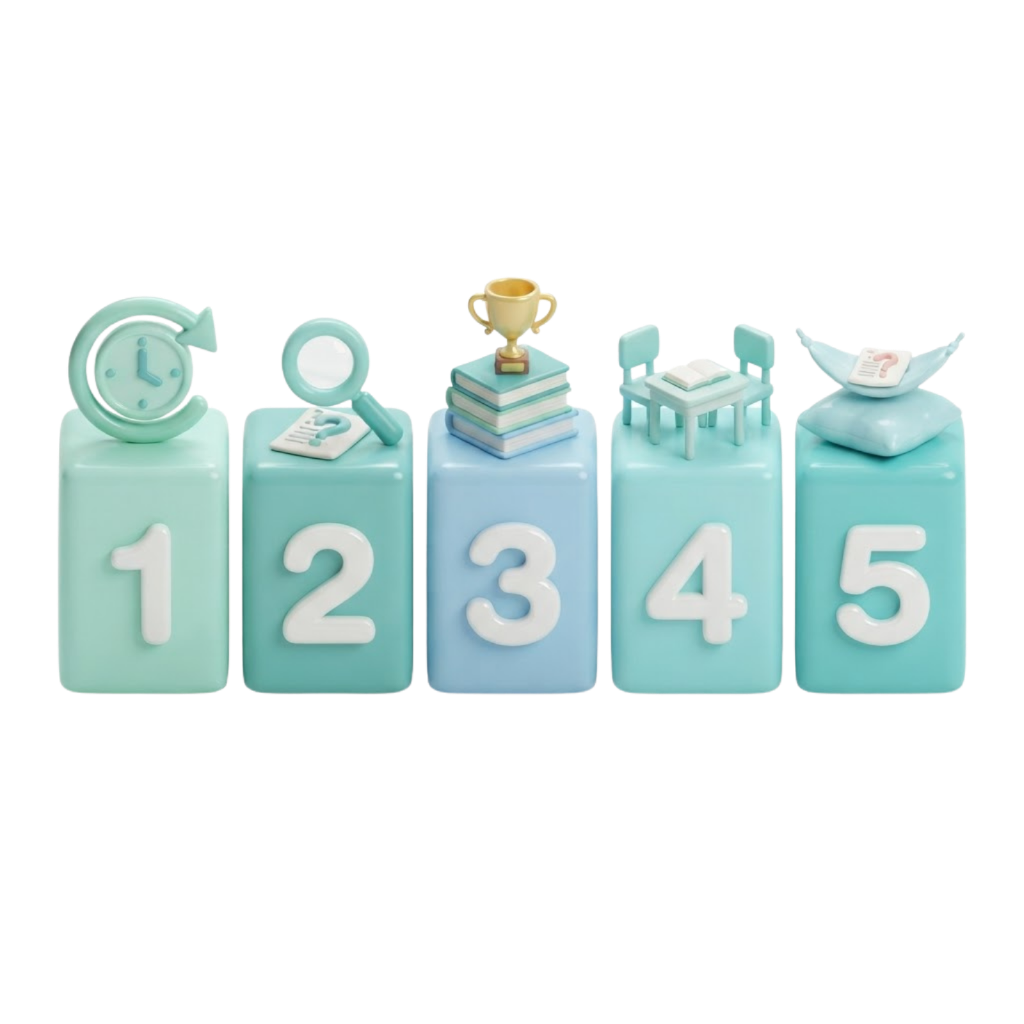
Study Strategies After a Poor Exam
So you have had a bad exam. What now? The most important thing is to not let it affect your remaining exams. Here is a practical approach:
Acknowledge it and move on
It is natural to feel disappointed. Give yourself a moment, then shift your focus. You cannot change what happened, but you can control how you prepare for what comes next.
Review what went wrong, without judgement
Was it a time management issue? A gap in your knowledge? Exam anxiety? Identifying the cause helps you address it for future exams, rather than repeating the same mistake.
Double down on your strongest subjects
If one subject did not go to plan, channel your energy into maximising your marks in the subjects where you are strongest. A Band 6 in a subject you excel at can do more for your ATAR than stressing over a subject that did not go well.
Seek targeted support early
If the exam revealed a genuine gap in your understanding, do not wait. Targeted tutoring can help you close specific knowledge gaps before your next assessment or exam. Whether it is HSC English, HSC Maths, or general tutoring, one-on-one support can help you turn things around quickly.
Remember your buffer
If you are studying more than 10 units, remind yourself that your weakest subject may not even count. This is not an excuse to slack off, but it is a reason to stay calm and focus on performing well in your strongest subjects.

Be the Shelter, Not the Storm
When your child walks out of a difficult exam, they need calm perspective, not pressure. Like a sturdy tree sheltering a young sapling, your steady support helps them weather the moment and keep growing.
Give Perspective
Remind them the ATAR is a composite; one exam is one data point among many.
Reassure Them
Internal assessments provide a safety net. Universities offer early offer schemes and alternative pathways.
Encourage Action
Help them focus on remaining exams. If they need support, tutoring can rebuild confidence fast.
The Bigger Picture
The ATAR is important, but it is not the only path to where you want to go. Many successful people did not achieve the ATAR they were aiming for and still reached their goals through alternative pathways, transfer options, or courses with lower entry requirements that they later built on.
A bad exam is a setback, not a verdict. The students who achieve the best ATARs are not the ones who never struggle. They are the ones who recover quickly, learn from their mistakes, and keep moving forward.
If you are reading this after a tough exam, take a deep breath. You have got this.
Want to understand the mechanics behind your result? Read our full guide on how your ATAR is calculated, or use our free ATAR calculator to model different scenarios with your projected marks.
Sources & Disclaimer
The information on this page is based on publicly available documentation from NESA (NSW Education Standards Authority) and UAC (Universities Admissions Centre) regarding HSC scaling and ATAR calculation. For official information, visit nesa.nsw.edu.au and uac.edu.au .
This content is provided for educational purposes only and should not be relied upon for ATAR predictions or subject selection decisions. Scaling is recalculated annually by NESA and exact adjustments vary each year. For personalised advice, consult your school careers advisor or a qualified education professional.
Related Quizzes & Free Tools



Related Guides & Resources

HSC Maths Roadmap
20-month plan from Year 11 to Band 6

HSC English Roadmap
Reading, writing & listening mastery

Best HSC Study Practices
Proven habits that move marks

How Your ATAR is Calculated
Scaling and ranking explained

HSC Study Tips Guide
When to start, past papers & exam technique
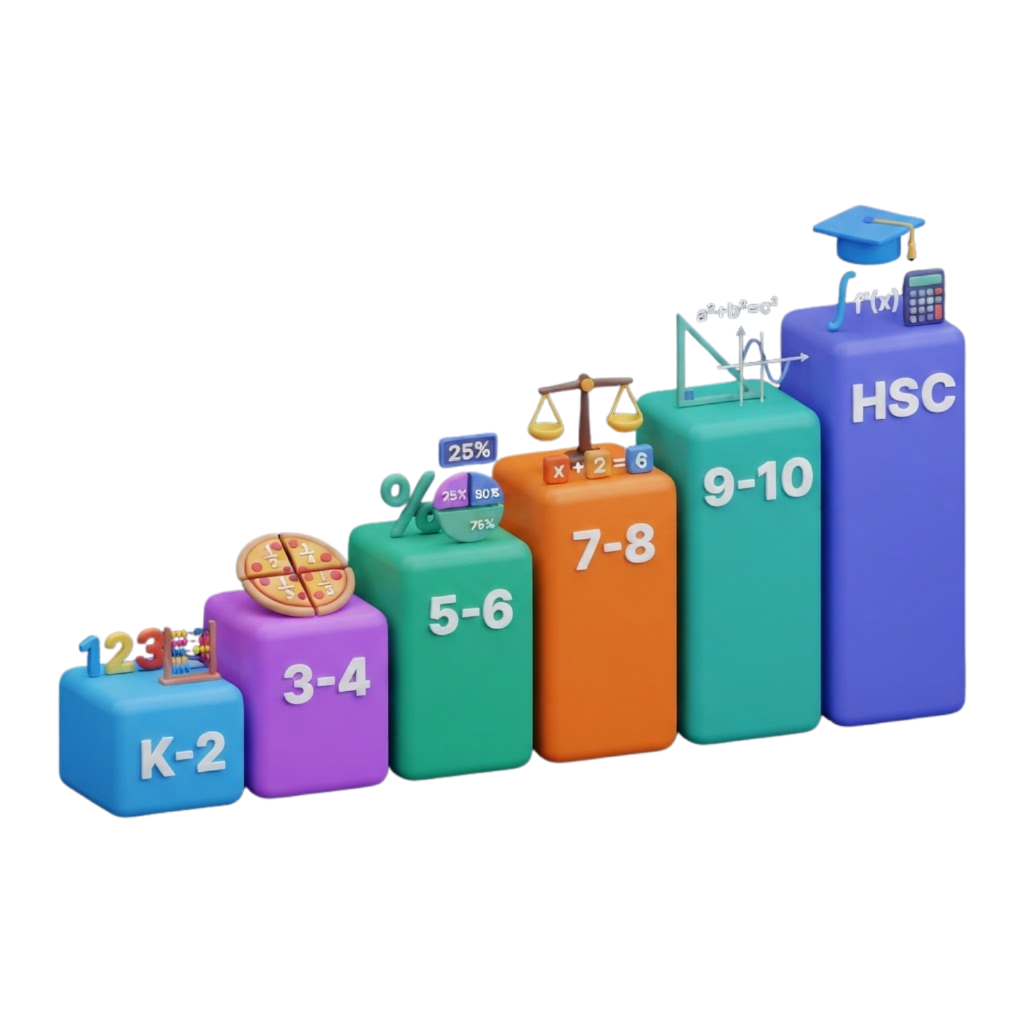
Common Maths Struggles
Year-by-year gap identification

How to Find a Good Tutor
A parent's guide to vetting tutors

HSC Subject Scaling Guide
How every subject scales explained
Get free ATAR tips in your inbox
No spam. Just ATAR advice and exam recovery strategies, occasionally.
HSC Tutoring on the Northern Beaches
One-on-one tutoring can help you close knowledge gaps and build confidence before your next exam. Headstart Tuition provides in-home HSC tutoring across the Northern Beaches.
Find a tutor in your suburb
Specialist subject tutoring